





-
 Uncategorized
-
 0 Comments
Keep Riverside Outdoor Spaces Pest-Free Year-Round
Natural Trails and Waterfront Access
The Great Miami River corridor shapes the character of outdoor life in this part of Dayton. From early April through late October, the trails that run alongside the water see steady foot traffic from walkers, joggers, and cyclists who appreciate the uninterrupted greenspace and river views. The Five Rivers MetroParks system maintains several access points where residents can launch kayaks, fish from designated areas, or simply sit and watch the current move downstream.
Spring rains create ideal breeding conditions for mosquitoes in standing water near riverbanks and in low-lying wooded areas. By mid-May, the insects become active enough that evening walks turn uncomfortable without protection. Tick populations also thrive in the tall grasses and wooded edges along these trails, particularly during humid stretches in June and July. Wasps and hornets establish nests in tree cavities and under trail signage, creating hazards for anyone who ventures too close during their peak activity period in late summer.
Protecting your ability to use these outdoor spaces without constant insect interference requires targeted mosquito control and perimeter treatments that address breeding sites and resting areas around your property. Seasonal treatments timed to pest life cycles make the difference between retreating indoors at dusk and actually enjoying your yard or patio as summer evenings stretch longer.
Neighborhood Gathering Spaces and Outdoor Living
Residents in this area invest in their outdoor spaces. Decks, patios, and screened porches extend the usable square footage of homes, particularly during the long stretch from May through September when weather allows for outdoor dining and entertaining. Neighborhood cookouts, backyard fire pits, and late afternoon gatherings become regular occurrences once temperatures climb above seventy degrees.
Ants begin their foraging activity in earnest as soil temperatures warm in April. Carpenter ants, pavement ants, and odorous house ants all establish colonies near foundation edges, under patios, and along walkways. They trail into kitchens and outdoor cooking areas in search of food sources, creating persistent problems that escalate through summer months. Spiders build webs across doorways, under eaves, and in corners of covered porches overnight, requiring constant clearing during their most active period from July through September.
Stink bugs become a notable nuisance in early autumn as they search for overwintering sites. They congregate on sun-warmed siding and work their way into gaps around windows, doors, and utility penetrations. Once inside wall voids, they emerge intermittently throughout winter, disrupting the comfort of indoor spaces during months when outdoor areas sit unused.
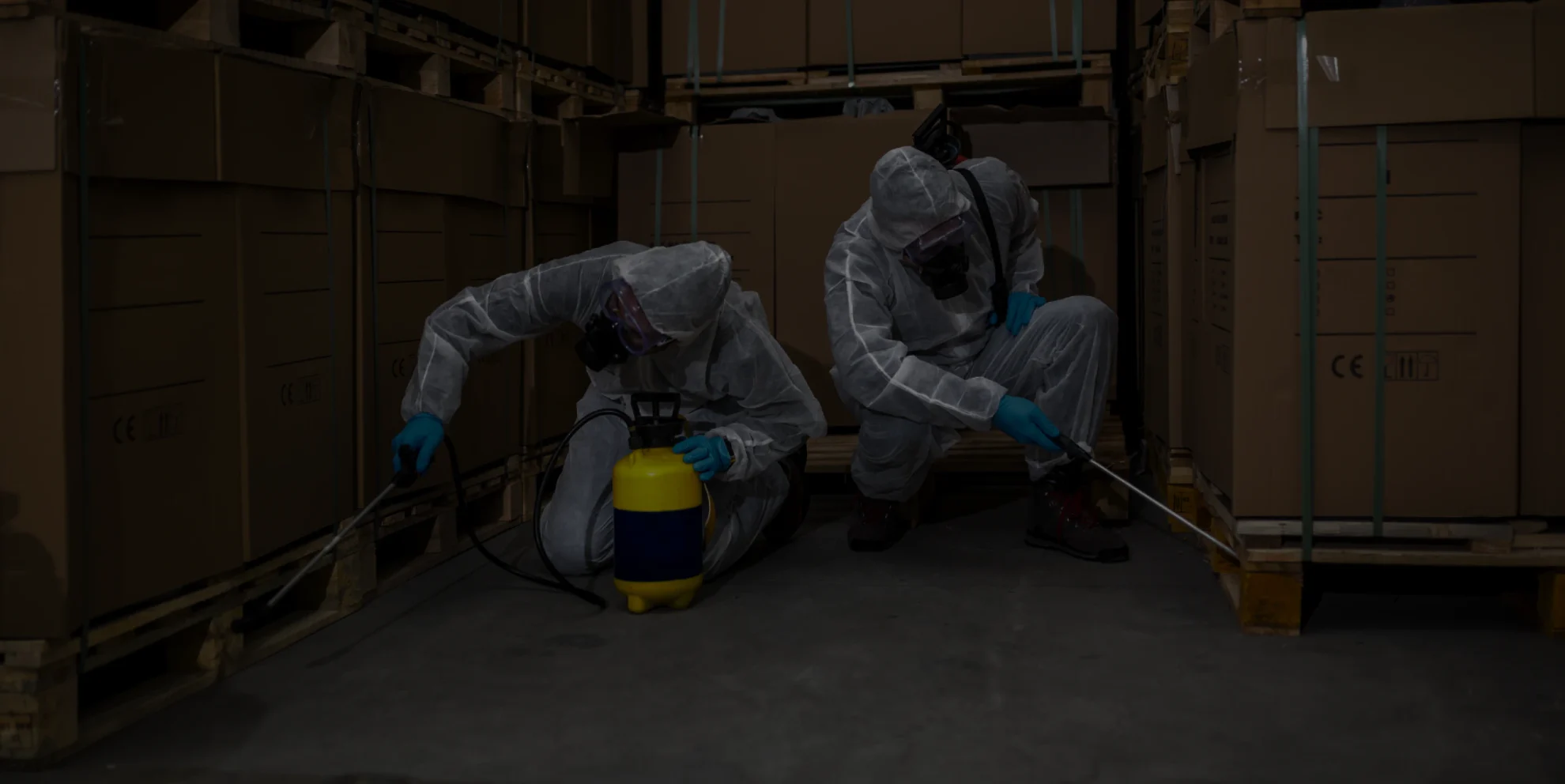
Maintaining outdoor living spaces for consistent use requires perimeter barrier treatments that intercept pests before they reach entry points. Regular applications during active seasons prevent the buildup of insect populations that otherwise force residents to choose between coexisting with pests or abandoning outdoor areas altogether.
Seasonal Pest Patterns in the Dayton Area
Pest pressure in this region follows predictable seasonal patterns tied to temperature fluctuations and precipitation levels. Understanding these cycles allows property owners to address problems before they escalate into full infestations that require more intensive intervention.
Spring brings the first wave of activity as overwintered queens emerge to establish new wasp and hornet colonies. Carpenter bees begin drilling into wood siding, deck railings, and pergola beams in late April and early May. Termite swarms appear on warm days following rain events, typically between late March and early June, as reproductive termites leave established colonies to form new ones. Subterranean termites remain active year-round in Ohio but become most visible during swarming season, when homeowners first notice their presence.
Summer heat intensifies mosquito activity, particularly in neighborhoods near water features or properties with poor drainage. Fleas and ticks reach peak populations during June, July, and August, affecting households with pets and yards adjacent to wooded areas or tall grass. Cockroaches, though active year-round indoors, increase outdoor activity during warm months and frequently enter homes through gaps around utility lines and foundation cracks.
Autumn shifts the focus to overwintering pests. Mice and rats begin seeking indoor shelter as nighttime temperatures drop in October. Boxelder bugs and Asian lady beetles cluster on south and west-facing walls in late September and October, then infiltrate attics and wall voids. Spiders move indoors during this transition period, and their webs become more noticeable in basements and garages.
Winter months see reduced outdoor pest activity but increased indoor pressure from rodents, occasional invaders, and insects that entered structures during fall. Addressing pest issues year-round prevents the cycle from resetting each spring with higher baseline populations.
Protecting Structural Integrity and Home Value
Property ownership in Dayton includes responsibility for protecting the structural integrity of buildings against pest damage that accumulates silently over time. Termites cause the most significant structural damage, but carpenter ants, carpenter bees, and wood-boring beetles also compromise wood framing, siding, and trim when left unchecked.
Subterranean termites build mud tubes along foundation walls and enter structures wherever wood contacts soil or through cracks in concrete. They consume structural lumber from the inside out, leaving exterior surfaces intact while hollowing support beams, floor joists, and wall studs. Damage often goes unnoticed until it becomes severe enough to affect structural stability. Regular inspections identify early warning signs before repair costs escalate into thousands of dollars.
Carpenter ants excavate galleries in moist or damaged wood to establish nesting sites. They prefer areas where water intrusion has softened wood fibers, such as around leaking windows, poorly sealed doors, or roof edges with compromised flashing. Unlike termites, carpenter ants do not consume wood, but their tunneling weakens structural members and creates entry points for moisture that accelerates rot.
Rodents gnaw constantly to control tooth growth, damaging electrical wiring, insulation, ductwork, and stored materials in attics and crawl spaces. Their urine and droppings contaminate insulation and create odors that permeate living spaces. They also carry diseases and parasites that pose health risks to occupants.
Proactive pest management through scheduled inspections and treatments addresses vulnerabilities before they develop into costly repairs. Identifying conducive conditions such as moisture problems, wood-to-soil contact, and structural gaps allows for corrections that eliminate pest attractants and entry points. Consistent monitoring creates a documented history that supports property values and provides assurance during real estate transactions.
Year-Round Monitoring and Prevention Strategies
Property ownership in Dayton includes responsibility for protecting the structural integrity of buildings against pest damage that accumulates silently over time. Termites cause the most significant structural damage, but carpenter ants, powder post beetles, and moisture-loving pests also compromise wood framing, sills, and joists. Riverside homes built before 1980 often feature crawl spaces and partial basements where moisture levels fluctuate throughout the year, creating conditions that attract subterranean termites during their spring swarming season.
Regular termite inspections identify active colonies before they cause costly damage to load-bearing structures. The inspection process includes examining foundation walls, basement joists, crawl space access points, and exterior wood-to-soil contact areas where termites establish entry tunnels. Dayton’s clay-heavy soil retains moisture after heavy rain, and properties with poor drainage or downspouts that discharge too close to foundations face elevated termite risk from May through August.
Beyond termites, rodents seeking shelter during autumn create entry points through deteriorating foundation vents, gaps around utility penetrations, and damaged weatherstripping. Once inside wall voids or attic spaces, mice and rats chew through electrical wiring insulation, contaminate insulation with urine and droppings, and create fire hazards that insurance inspections may flag during policy renewals. Addressing these vulnerabilities before rodent pressure peaks in October protects both the physical structure and the long-term market value of Riverside properties.
